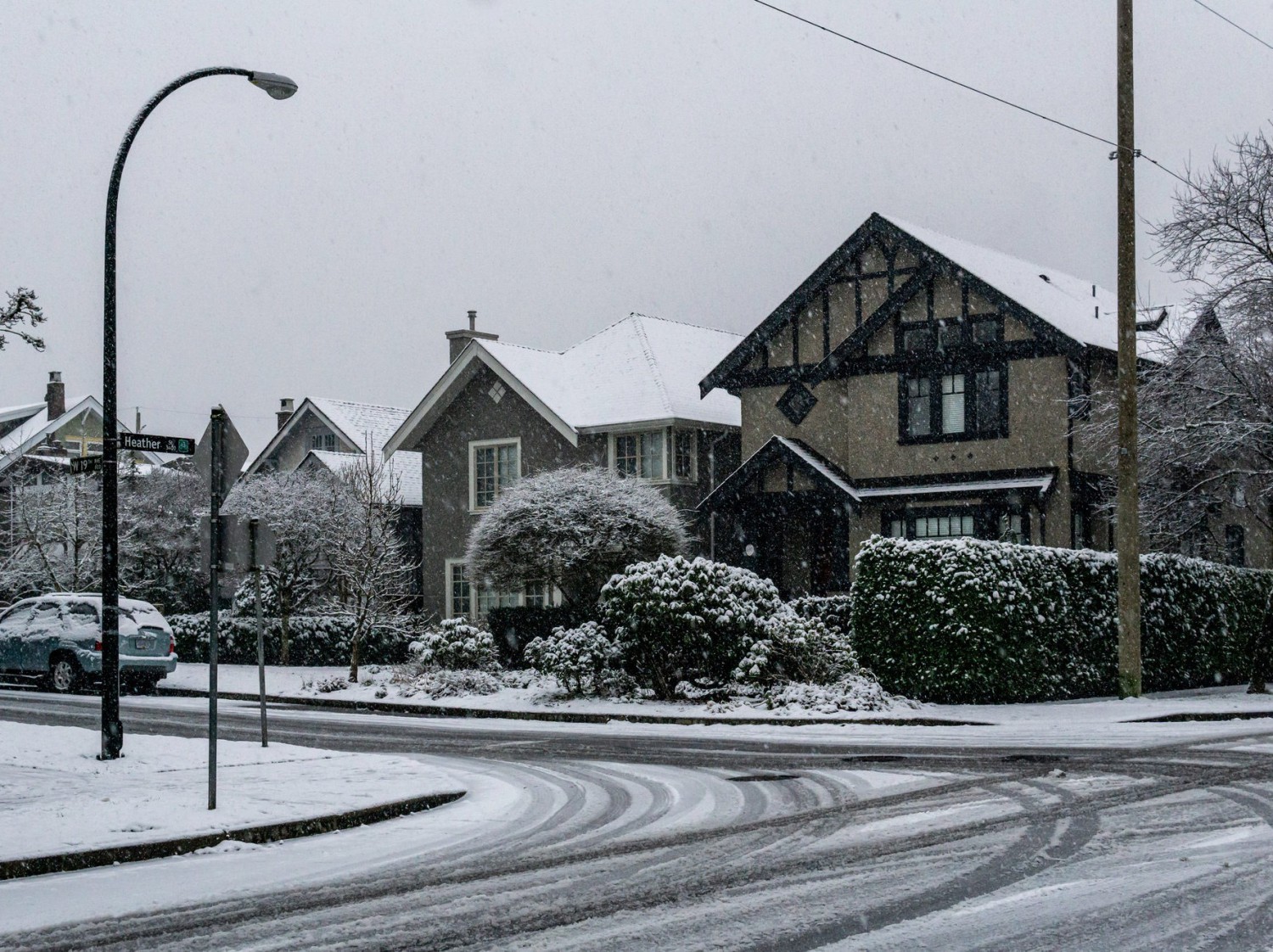
Winter is fast approaching, which means dealing with snow-covered cars and a scarcity of on-street parking spaces. Are you thinking about erecting a car shelter or creating a new parking space in your driveway?
Sometimes, such projects are regulated by municipal bylaws regardless of whether you’re a tenant or a homeowner, and these vary from place to place.
So, before you start on any plan, we recommend checking what you can and can’t do on your property.
A Temporary, But Still Regulated, Car Shelter
As fall turns to winter, many homeowners start thinking about erecting a temporary car shelter to protect their vehicles from snow and ice. Of course, these shelters also make life easier by reducing the amount of shovelling needed.
Although designed to be dismantled, many municipalities regulate the installation of such structures.
The rules may stipulate:
- the period during which the shelter can stay up;
- the permitted dimensions;
- the accepted materials;
- the required distances from the street, the property lines, and neighbouring buildings.
Particular attention should be paid to the installation and removal dates. Some local authorities allow residents to put up their shelters in the autumn after a specified date, but residents must also take them down in the spring before another deadline. These dates vary from one municipality to another; you shouldn’t assume that the same timeframes apply throughout Québec.
Safety First
The shelter’s location likewise matters. Installed too close to a public road, it may obstruct the view of motorists or hinder the movement of pedestrians. Depending on current bylaws, a permit or an authorization certificate might be required. It’s best to consult your local planning department before purchasing a shelter or getting the site ready.
The shelter must also be firmly anchored and assembled according to the manufacturer’s instructions to ensure it will withstand adverse weather conditions. Otherwise, a poorly secured or structurally compromised shelter may collapse onto the vehicle it’s meant to protect due to heavy snow or strong winds. Above all, it can’t be allowed to blow away and crash into everything in its path.
Damage can be substantial if this occurs. Whether an insurer will cover repairs will mainly depend on the incident’s circumstances and the owner’s car and home insurance policy.
Is Building an Extra Parking Space Possible?
Adding a parking space can meet a practical need, particularly when a household has multiple vehicles or frequently hosts guests. However, it’s rarely just a matter of levelling a portion of the front yard to park a car there.
Municipal bylaws may restrict:
- the number of authorized parking spaces;
- their dimensions;
- their placement.
They may also impose conditions on widening a driveway or creating a new front-yard parking space.
It’s equally a good idea to check how much of your yard you can pave over. By reducing the permeable surface area, a bigger driveway or an extra parking space may impede the soil’s ability to absorb rainwater. Bylaws are in place to protect green spaces and limit surface runoff for this very reason.
Finally, there may not be enough front yard left for more parking. The lot’s layout must comply with setbacks, visibility requirements, and other local zoning bylaws.
Different Properties, Different Rules
The important thing to keep in mind is that the relevant bylaws vary depending on the municipality, the zoning, and the property’s characteristics. Special rules may apply in certain areas, such as a heritage district or near a body of water.
Hence why a visit to your municipality’s planning department before proceeding can make all the difference. Asking a few questions at the right time will not only ensure your project goes ahead smoothly, it will also help preserve your property’s value.